Photographic Adventures: The Art of Wildlife Photography

Wildlife photography is not just a hobby; it’s an adventure that connects us with nature in profound ways. Capturing the beauty and rawness of wildlife can be both exhilarating and challenging. Whether you are a seasoned photographer or just starting out, understanding the nuances of wildlife photography can elevate your skills and enhance your appreciation for the natural world.
In this post, we will explore the essential techniques, equipment, and ethical considerations that can help you become a better wildlife photographer.
Understanding Wildlife Photography
What is Wildlife Photography?
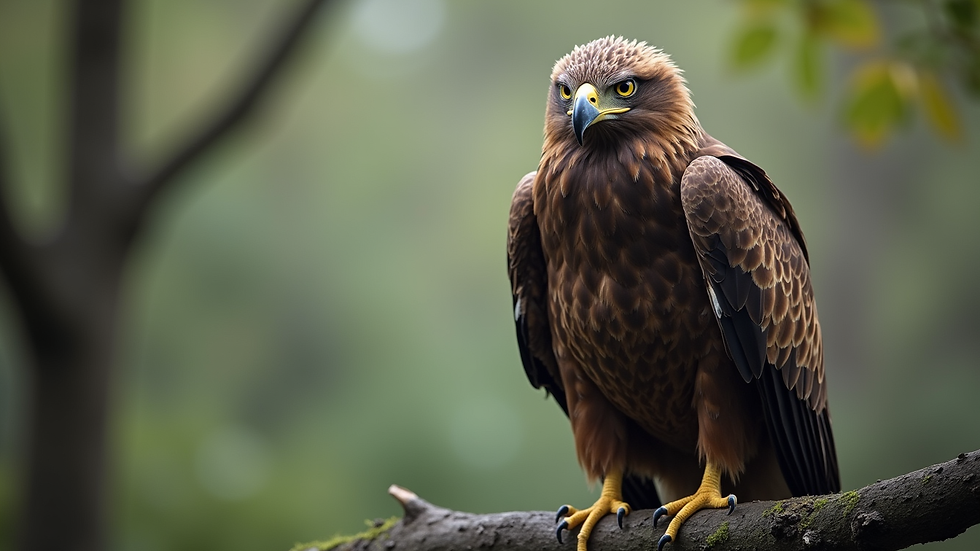
Wildlife photography involves capturing images of animals in their natural habitats. This genre of photography aims to document the behavior, environment, and interactions of wildlife. It can range from photographing birds in your backyard to capturing the grandeur of elephants in the African savannah.
The Importance of Wildlife Photography
Wildlife photography serves several purposes:
Conservation Awareness: Stunning images can raise awareness about endangered species and the importance of conservation efforts.
Education: Photographs can educate the public about animal behavior and habitats.
Artistic Expression: It allows photographers to express their creativity and connect with nature.
Essential Techniques for Wildlife Photography
Patience is Key
Wildlife photography requires a great deal of patience. Animals are unpredictable, and capturing the perfect moment often means waiting for hours. Here are some tips to enhance your patience:
Scout Locations: Visit potential shooting locations beforehand to understand animal behavior and movement patterns.
Use a Blind: Setting up a blind can help you remain hidden and increase your chances of capturing wildlife in action.
Mastering Composition
Composition is crucial in wildlife photography. Here are some techniques to consider:
Rule of Thirds: Position your subject off-center to create a more dynamic image.
Leading Lines: Use natural lines in the environment to guide the viewer’s eye toward the subject.
Framing: Use elements in the environment to frame your subject, adding depth to your photos.
Understanding Light
Lighting can make or break a photograph. Here are some tips for working with light:
Golden Hour: The hour after sunrise and before sunset provides soft, warm light that enhances colors and textures.
Avoid Harsh Midday Sun: If shooting during midday, look for shaded areas to reduce harsh shadows.
Choosing the Right Equipment
Camera and Lenses
Investing in the right equipment is essential for capturing stunning wildlife images. Here are some recommendations:
Camera: A DSLR or mirrorless camera with a fast autofocus system is ideal.
Lenses: A telephoto lens (200mm or longer) allows you to capture distant subjects without disturbing them.
Accessories
Consider these accessories to enhance your wildlife photography experience:
Tripod: A sturdy tripod stabilizes your camera for sharper images, especially in low light.
Camera Bag: A weatherproof camera bag protects your gear from the elements.
Ethical Considerations in Wildlife Photography
Respect Wildlife
As a wildlife photographer, it’s crucial to respect the animals and their habitats. Here are some guidelines to follow:
Keep Your Distance: Use long lenses to avoid disturbing wildlife. Getting too close can stress animals and disrupt their natural behavior.
Leave No Trace: Always clean up after yourself and avoid damaging the environment.
Follow Local Regulations
Many wildlife areas have specific rules and regulations. Familiarize yourself with these guidelines to ensure you are photographing responsibly.
Post-Processing Your Images
Editing Techniques
Post-processing is an essential part of wildlife photography. Here are some common editing techniques:
Cropping: Adjust the composition of your image to enhance focus on the subject.
Color Correction: Adjust brightness, contrast, and saturation to bring out the best in your photos.
Sharpening: Apply sharpening to enhance details, especially in the eyes of animals.
Software Recommendations
Consider using software like Adobe Lightroom or Photoshop for editing your wildlife images. These programs offer powerful tools for enhancing your photographs.
Building Your Portfolio
Selecting Your Best Work
As you capture more wildlife images, it’s essential to curate your portfolio. Here are some tips:
Diversity: Include a variety of species and environments to showcase your versatility.
Quality Over Quantity: Focus on your best images rather than the number of photos.
Sharing Your Work
Once you have a solid portfolio, consider sharing your work through:
Social Media: Platforms like Instagram and Facebook are great for showcasing your photography.
Photography Contests: Entering contests can provide exposure and recognition for your work.
Conclusion
Wildlife photography is a rewarding pursuit that allows you to connect with nature while honing your skills as a photographer. By understanding the techniques, equipment, and ethical considerations involved, you can capture stunning images that tell the story of the natural world.
As you embark on your photographic adventures, remember to be patient, respect wildlife, and continually seek to improve your craft. The next time you venture into the wild, keep your camera ready; you never know what incredible moments await you.
Now, grab your gear and head out into nature. The world of wildlife photography is waiting for you!

Comments